


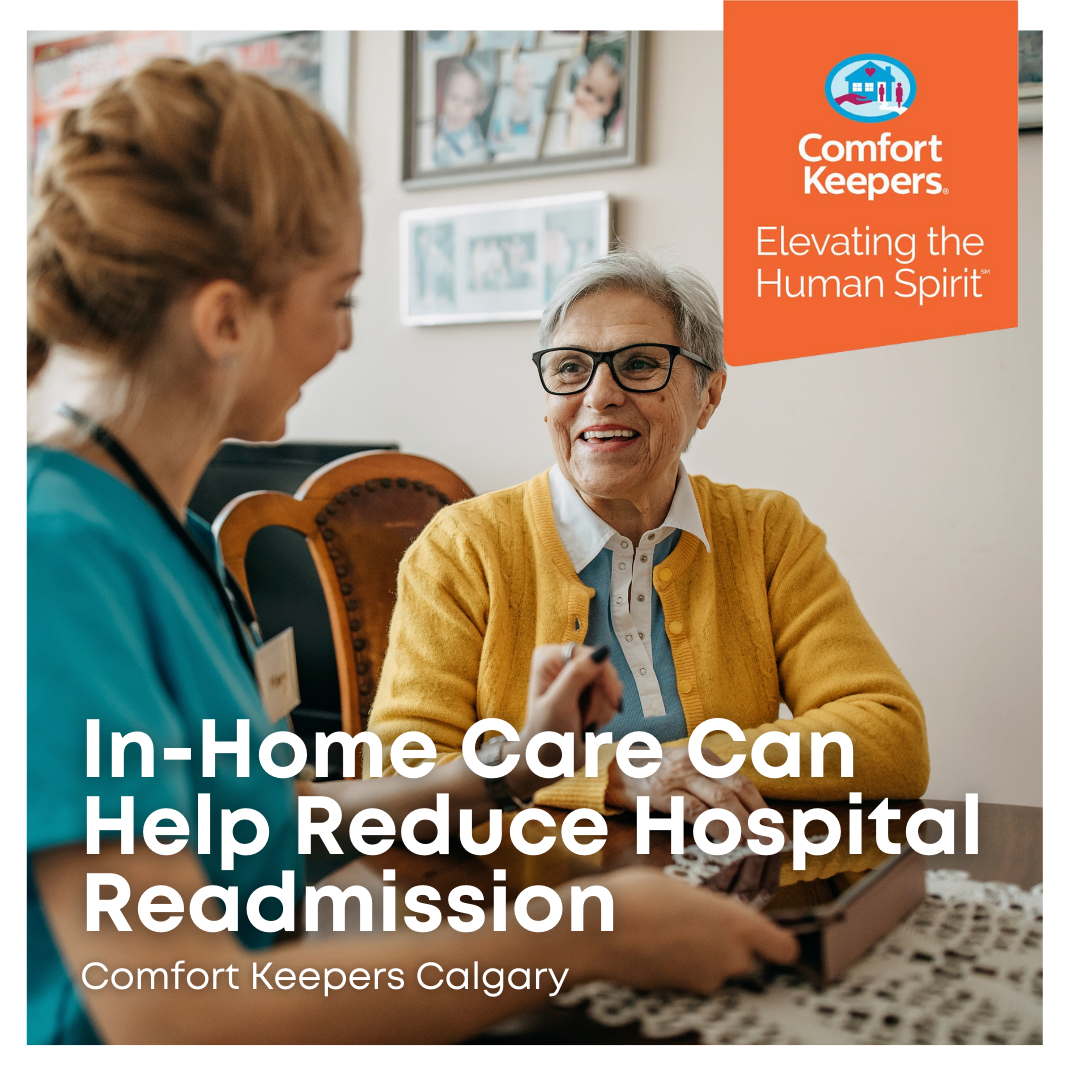
In-Home Care Can Help Reduce Readmission
In-Home Care Can Help Reduce Readmission – With hospitals facing penalties for high rates of readmissions for specific diseases, doctors and other medical personnel are seeking ways to reduce the chance that seniors land back in the hospital after an initial stay. New research shows 1 in 12 patients are back in an inpatient bed within 30 days of being discharged from a Canadian hospital. Kathleen Morris, director of health system analysis and emerging issues at the Canadian Institute for Health Information (CIHI), said unplanned readmissions cost the health system an estimated $1.8 billion over an 11-month period. There are many reasons seniors may need to be readmitted to the hospital, but those that have garnered the greatest interest are preventable causes.
Fast Facts
Many hospital readmissions can be avoided if patients, families, caregivers, and hospital staff prepare for the patient’s day of discharge well in advance.
In-Home Caregivers Can Help Reduce Hospital Readmission after Discharge
Research indicates that caregivers are critical in helping seniors overcome some of the main preventable causes for returning to the hospital. Consider the following:
- Many seniors are unable to appropriately follow prescribed medication schedules. When you consider that, on average, seniors with chronic conditions fill 50 different prescriptions annually, it is not difficult to imagine how someone could get confused about the new medicines prescribed by hospital medical staff. Caregivers can not only remind seniors to take medications as prescribed, but they can also help seniors keep a list of those medications and their dosages so the information is readily available when the older adult visits the doctor.
- Failing to follow up with the family care physician after a hospital discharge is also a main reason for hospital readmissions. A full two-thirds of patients readmitted to the hospital would have avoided that trip if they had seen their physicians within two weeks for follow up. The reasons for not following up vary but can include transportation difficulties and forgetting to make or keep appointments. Hospital staff can aid the senior by setting up appointments for the individual before discharge, and caregivers can help ensure that the senior gets to those appointments on time.
- Having a discharge plan for the senior before he or she leaves the hospital can be crucial for recovery, but when a person is ill, it is difficult to focus on critical information. Caregivers can make an impact when armed with the senior’s discharge plan. They can help the senior follow the plan and notify the family or other approved individuals when there are problems or changes with the senior. They can also help explain the information or ensure that the appropriate persons are notified if the older individual has questions about his or her course of treatment. This takes the stress off of the senior so he or she can focus on recovery.
Related Article: Post Hospital Care After Pneumonia
While some seniors may have family and friends to help them once they leave the hospital, many do not. In these cases hospital staff often take measures to ensure the senior has the assistance of a professional caregiver before the senior leaves the hospital. Even those who have the assistance of friends and family can benefit from a professional caregiver during those times that family caregivers are unavailable.
Comfort Keepers®Can Help
Maintaining senior health and wellbeing is a priority for the team at Comfort Keepers®. Our caregivers can assist in providing seniors with transportation to and from the doctor’s office or clinics to receive their vaccinations. In addition, caregivers can also work to promote a healthy lifestyle by supporting physician-recommended diet and exercise plans, as well as medication reminders. Contact your the Comfort Keepers Calgary office today to learn more.
Bonus Article: The Comfort Keepers Difference
References
American Hospital Association. (September 2011). Examining the drivers of readmissions and reducing unnecessary readmissions for better patient care 2011 AHA Policy Research. Retrieved from http://www.aha.org/research/policy/2011.shtml.
Robert Wood Johnson Foundation. (February 2013). Ten things you should know about care transitions. Retrieved from http://www.rwjf.org/content/dam/farm/toolkits/toolkits/2013/rwjf404086.
9 Steps that Can Help with Cancer Prevention

9 Steps that Can Help with Cancer Prevention
9 Steps that Can Help with Cancer Prevention – The most significant risk factor for the development of cancer is aging; however, the risk of many types of cancer can be drastically reduced by focusing on prevention steps. Several factors play a role in cancer development, such as heredity, but many can be voluntarily avoided.
Fast Facts
Did you know that about half of all cancers can be prevented? It’s My Life! is an interactive, evidence-based tool on the Canadian Cancer website that teaches you how 10 lifestyle factors can affect your risk of getting cancer and what you can do to prevent it: http://itsmylife.cancer.ca/
9 Steps that Can Help with Cancer Prevention:
- Don’t smoke and avoid exposure to smoke. Smoking is the most significant cancer risk factor. It is to blame for lung, and many other types of cancer. The best way to help prevent cancer is to quit smoking or never start. As soon as you quit, the body positively responds ─ so it’s never too late.
#DYK – Avoiding secondhand smoke also helps to prevent cancer, because this smoke contains more than 60 known carcinogens. These carcinogens interrupt normal cell development, a catalyst for cancer development.
- Stay safe in the sun and watch for skin changes. Each year, over one million Americans are diagnosed with skin cancer. It is the most common cancer and accounts for about half of all cancer diagnoses, yet it’s one of the most preventable types of cancer. Reduce UV ray exposure by wearing sunscreen and protective clothing, and avoiding the mid-day sun and tanning beds.
- Eat plenty of fruits and vegetables. A diet rich in fruits and vegetables greatly reduces the risk of developing cancer and many other conditions. Fruits and vegetables contain antioxidants, which help repair our damaged cells. Green, orange, and yellow fruits and vegetables are your best bet to help prevent cancer. Studies also show that dark fruits, like blueberries and grapes, may also have anti-cancer properties. Cruciferous vegetables such as broccoli, cauliflower, bok choy, Brussels sprouts, and cabbage are particularly helpful, according to numerous studies.
- Limit red meat and animal fat. A diet high in animal fat increases the risk for several types of cancer, particularly colon cancer. Red meat contains much more fat than poultry and fish, so reducing the amount of red meat in your diet may help to prevent cancer. A diet high in fat also is a major cause of obesity, which is another risk factor for many types of cancer.
- Limit alcohol intake. Drinking excessive amounts of alcohol regularly increases the risk for many kinds of cancer. Studies suggest that men who consume two alcoholic drinks per day and women who have one alcoholic drink per day can significantly increase their risk factors for certain types of cancer.
- Exercise. When you exercise, you are reducing your risk for many types of cancer. The American Cancer Society recommends exercising 30 or more minutes, at least 5 days a week for cancer prevention. Always check with your physician before embarking on any exercise program.
- Know your environment. Exposure to chemicals may increase the risk of developing many types of cancer, including kidney cancer and bladder cancer. If you are exposed to fumes, dust, chemicals, and the like, you may want to look into ways to reduce or eliminate your exposure. Gasoline, diesel exhaust, arsenic, beryllium, vinyl chloride, nickel chromates, coal products, mustard gas, and chloromethyl ethers are all dangerous carcinogens.
- Be familiar with your personal and family medical history. Cancers such as breast, colon, ovarian, and other types can be hereditary. If certain cancers run in your family, tell your doctor so that he or she can recommend the right screenings and assess your true risk. Genetic testing and counseling may be encouraged based on a family’s medical history.
- Get regular cancer screens. Cancer screening tests can be useful in detecting cancer ─ and preventing it. The colonoscopy and Pap smear can detect abnormal cellular changes before they turn cancerous. The key to their effectiveness is that they are done regularly. Other tests may be useful for early detection, but not necessarily cancer prevention. It is common to have prostate cancer screening through digital rectal exams, and prostate specific antigen (PSA) tests can help detect prostate cancer early. Mammograms and other imaging tools are also recommended to detect breast cancer, and the survival rate continues to grow.
Related Article: Respite Care and Your Loved Ones
Comfort Keepers® can help. Comfort Keepers®’ Interactive Caregiving™ keeps senior clients engaged physically, mentally, and emotionally while living independently at home. Caregivers can also help support a healthier diet and lifestyle for your loved one. Call your Comfort Keepers Calgary office today to find out more.
Bonus Article: What to Expect with Home Care
References:
National Institutes of Health (NIH). “Preventive Cancer Care for the Elderly”. Web. 2015.
LifestyleOptions.com. “Cancer Care in the Elderly”. Web. 2015.
American Cancer Society. “Prevention Studies for a Cancer-Free Tomorrow”. Web 2015.
Centers for Disease Control (CDC). “Current Cigarette Smoking Among Adults in the United States”. Web. 2014.
Vision Loss

Vision Loss
Vision Loss – Losing your vision can feel a little like the world is closing in on you. For many seniors with vision loss, this feeling is often actualized with a diminished ability to engage in daily activities, such as preparing a meal or using the telephone, that most of us take for granted. Vision loss is a major contributor to disability, the loss of independence, and reduced quality of life. While the chance of vision loss increases with age, and there is the misconception that it should be taken as a normal part of aging, it is not any less traumatic for the older individual than it would be for a younger person. It may, in fact, be the most traumatic health problem many seniors face. The psychosocial effects of vision loss in seniors can have detrimental consequences.
Fast Facts about Vision Loss
Getting regular, comprehensive eye exams to identify disease early can help prevent or diminish 50% of all vision problems, yet many older people do not get the recommended eye care.
Studies have shown…
Numerous studies have shown that seniors with vision loss experience greater difficulty with daily activities than those who suffer from other chronic conditions. Senior adults with vision loss also report a greater number of chronic conditions, such as diabetes, heart disease, and stroke than those who do not have vision difficulties. This can be attributed to a poorer diet as low-vision seniors are four times more likely to have difficulty preparing meals than their normal-vision counterparts. This may also be directly linked to the fact that low-vision seniors are less likely to be physically active. (Only 59.6% of low-vision seniors report activity compared to 70.2% of normal-vision seniors.) This is not surprising when you consider that compared to normal-vision seniors, low-vision seniors are more than three times more likely to find it difficult to get outside and are three times as likely to have difficulties walking.
As a result, visually impaired seniors have noticeably higher levels of depression and anxiety than seniors with other chronic conditions. Because of their visual impairment, they may tend to isolate more and stop engaging in activities that they once enjoyed. Researchers have discovered that it is actually these higher levels of depression and anxiety that contribute to the seniors’ difficulty performing everyday tasks more so than their visual disability. As visually impaired seniors become more depressed because of their vision loss, they begin to have more medical problems, creating a vicious cycle where the depression creates a worsening physical state and the worsening physical state increases depression.
Related Article: What You Can Do About Cataracts
The good news is that with support and therapy designed to help visually impaired seniors regain their independence, this cycle can be broken. Doctors can prescribe rehabilitation that will allow seniors to learn to cope with and manage their vision loss so that they can remain active participants in their communities. Family, friends, and caregivers can also help these seniors with many activities, such as meal preparation and transportation to events, appointments, and gatherings, so that their isolation is limited and they can carry on with their daily lives. By staying active and social low-vision seniors can reduce their chances of suffering from depression, which then decreases their overall risks of developing additional chronic conditions.
You can find suggestions on the Canadian National Institute for the Blind (CNIB) website that people with low vision can follow to make life a little bit easier.
Comfort Keepers® Can Help
Our goal is to provide uplifting in-home care that benefits seniors and their families. The individualized care plans we create for our clients consider physical goals as well as non-physical mental health needs. Our caregivers can provide companionship and support physician-prescribed exercise regimens, provide transportation to appointments and help to families that want to stay connected through technology. We strive to elevate the human spirit through quality, compassionate, joyful care.
To learn more about our in-home care services, contact the Comfort Keepers Calgary location today.
Bonus Article – The Comfort Keeper Difference
References
Casten, R.J. and Rovner, B.W. (November 01, 2006). Vision loss and depression in the elderly. Psychiatric Times. Retrieved from http://www.psychiatrictimes.com/articles/vision-loss-and-depression-elderly.
Centers for Disease Control and Prevention. (2011). The state of vision, aging, and public health in America. Retrieved from http://www.cdc.gov/visionhealth/pdf/vision_brief.pdf.
Kempen, G.I.J.M., Ballemans, J., Ranchor, A.V., van Rens, G.H.M.B., and Zijlstra, G.A.R. (November 17, 2011). The impact of low vision on activities of daily living, symptoms of depression, feelings of anxiety and social support in community-living older adults seeking vision rehabilitation services. Qual Life Res, 21, 1405–1411. doi: 10.1007/s11136-011-0061-y. Retrieved from http://www.ncbi.nlm.nih.gov/pmc/articles/PMC3438403/.
Unite for Sight. (n.d.). Module 10: Eye disease and mental health. http://www.uniteforsight.org/community-eye-health-course/module11#_ftn5.
Bruising As You Age
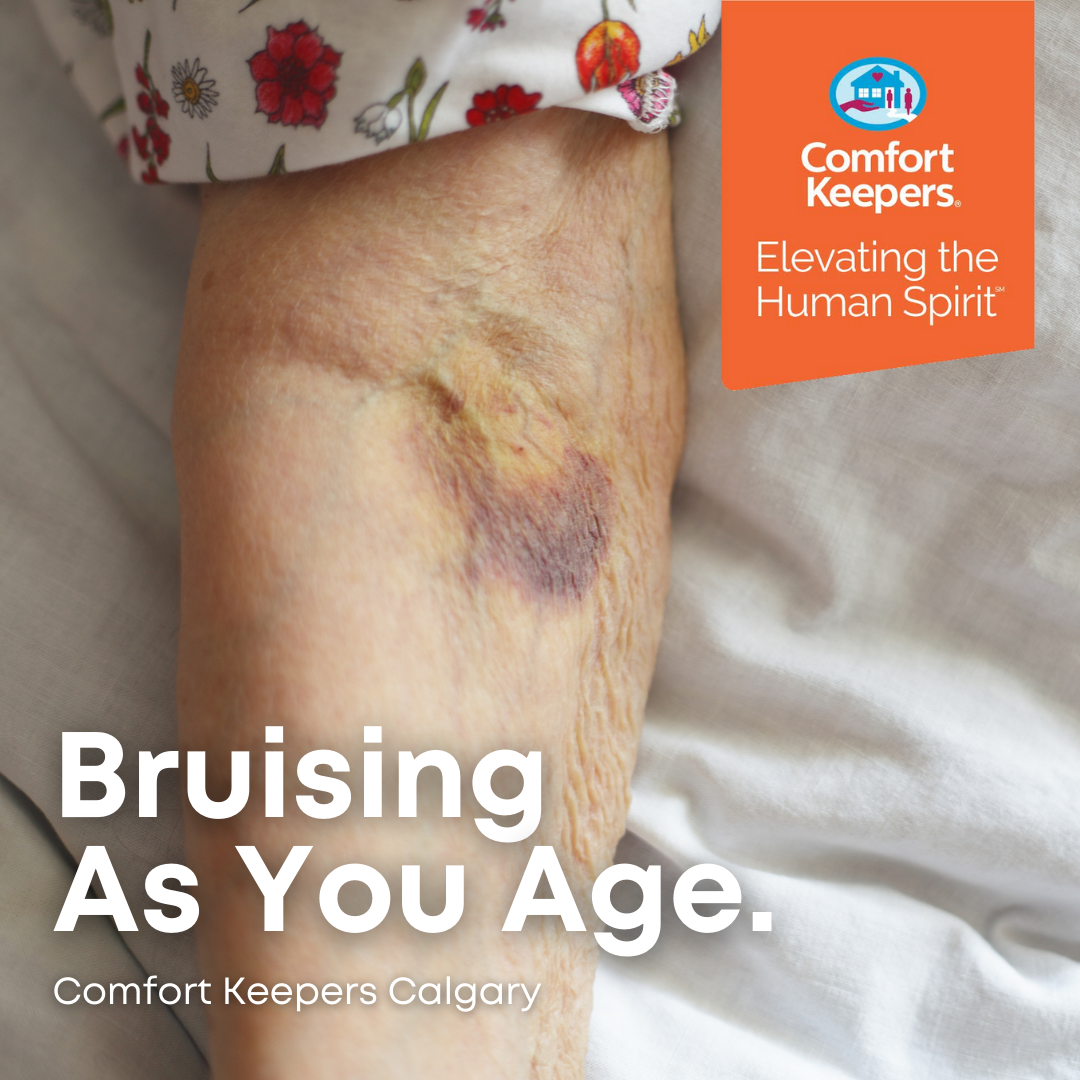
Bruising As You Age
Bruising As You Age – Does the senior in your life often have unexplainable bruises? Do you as a caregiver have questions about what causes him or her to have unsightly black and blue marks and worry that there might be something seriously wrong with your loved one that needs attention? As alarming as these purplish marks can be, they’re usually harmless.
With passing years, easy bruising becomes increasingly more common with the mildest bump or blow. Exactly what causes this? Over time our capillaries age and become more fragile and prone to rupture. Our skin also becomes thinner, losing the protective fatty layer that helps to cushion blood vessels against injury. Bruises form when the small blood vessels or capillaries near the skin’s surface are broken by an injury. This causes blood to leak out of the vessels and a bright or dark red, purple or black mark appears.
Bruising As We Age – How Sun Damage Can Make it Worse
The problem of frequent bruising with no apparent reason usually starts to show up after age 55, but long-time sun worshippers may see changes earlier. For many people, in fact, sun damage is thought to account for nearly all of age-related changes in the skin. The problem may be compounded if you smoke, too. Certain dietary supplements such as fish oil and ginkgo can have a blood-thinning effect and also increase your risk of bruising. So do some medications used in treating common conditions like allergies, asthma and eczema or more serious issues like blood clots that can cause strokes or heart attacks.
Medications that can cause bruising include:
- Nonsteroidal anti-inflammatory drugs, such as ibuprofen.
- Aspirin
- Anticoagulants such as coumadin or heparin.
- Antiplatelet medications.
- Corticosteroid-containing medications (applied to the skin, taken orally or injected).
- Medications that affect coordination can make you more prone to falls.
Related Article: Seniors and Wandering
While you as a caregiver might not be able to completely prevent easy bruising in the senior in your life, there are some practical measures you can take that will go a long way towards helping to keep him or her bruise-free. De-clutter your household and remove items that could cause bumps or falls. Dress your senior in long-sleeved shirts and pants to add an extra layer of protection for their skin. Limit exposure to the sun and try to reduce further harm by applying sunscreen and covering up while outdoors. Apply moisturizers to the skin. That will relieve dryness and make skin give more easily.
There isn’t much that can be done to treat a bruise once it has formed, although most bruises disappear eventually as the body reabsorbs the blood. Healing may take longer because of age.
Brusing Easier As We Age
Easy bruising can be an indication of a more serious condition such as a blood disease or a clotting problem. You should consult a doctor if you notice unusually large or painful bruises that develop for no reason. Easy bruising and abnormal bleeding elsewhere — for instance from the nose, gums or intestinal tract — should also be checked. If the senior starts a new medication and suddenly begins bruising or develops bruising during an illness in addition to a fever and confusion, he or she should be seen by a doctor.
Comfort Keepers® Can Help
Our goal is to provide uplifting in-home care that benefits seniors and their families. The individualized care plans we create for our clients consider physical goals as well as non-physical mental health needs. Our caregivers can provide companionship and support physician-prescribed exercise regimens, provide transportation to appointments and help to families that want to stay connected through technology. We strive to elevate the human spirit through quality, compassionate, joyful care.
To learn more about our in-home care services, contact the Comfort Keepers Calgary location today.
Bonus Article – The Comfort Keeper Difference
References
‘Easy bruising: Common as you age’, published by Mayo Clinic, (http://www.mayoclinic.com/health/easy-bruising/HQ00355)
Summer Safety For Seniors

Summer Safety for Seniors | Summer can get quite hot, and it’s especially important to make sure seniors are staying healthy and safe during warm days. Here are some ways to make sure your senior is safe this summer.
Watch for Heat Stroke
Heat exhaustion and heat stroke can be dangerous to seniors. Although heat exhaustion is not life-threatening, it can turn into heat stroke – which can be life-threatening – if not treated. Symptoms of heat exhaustion are heavy sweating, muscle cramps, tiredness or weakness, cold or clammy skin, headache, and nausea. You may also notice a fast and weak pulse. If your loved one is showing these symptoms, get them into a cool place immediately and have them drink water or an electrolyte drink. If they have high blood pressure or heart problems, call 911.
Heat stroke has similar symptoms, except they will have a temperature of 104 degrees Fahrenheit or more, and they will not be sweating. People with heat stroke often faint as well. In this case, get them to a cooler area, but do not have them drink water, as they may be in and out of consciousness which can increase risk of choking. Place cool compresses on their skin to help bring down their temperature, and call 911 immediately.
Stay Hydrated
Prevent your senior from getting heat stroke by making sure they stay hydrated. Some seniors lose their sense of thirst and don’t drink enough water, so it’s important to make sure that they’re regularly drinking water throughout the day. Seniors should drink around 7 or 8 cups of water per day. Supplementing with sports drinks is great in the heat as well.
Related Article: Senior Hydration – Calgary (comfortkeepers.ca)
Sunscreen
Aging skin needs special care, especially when in the sun. Make sure your loved one applies sunscreen anytime they’re spending time outside. Look for SPF 30 and make sure to reapply every two hours. Not only are sunburns painful, but sun damage can cause skin cancer.
#DYK – Many Older Adults Don’t Protect Their Skin from the Sun – Less than half of older adults protect their skin from the sun when outside for an hour or more on a warm, sunny day. This may raise their risk of getting skin cancer. (Source: CDC.gov)
Avoid Direct Sun Exposure
UV rays are strongest between 10am and 4pm, so if possible, limit your senior’s sun exposure during that time. Evenings and mornings are great times for your loved one to get their vitamin D while lowering their risk of heat exhaustion or sunburn. If they do choose to be out in the sun during the hottest part of the day, encourage them to spend some of the time in the shade. And either way, a pair of sunglasses and a wide-brimmed hat are great ways to protect the eyes and face from too much UV.
Comfort Keepers® Calgary Can Help | Summer Safety for Seniors
At Comfort Keepers®, can help keep your loved one safe during the summer by accompanying them on outdoor excursions or helping them apply sunscreen. If in-home caregiving seems like a good option for your loved one, contact us at our Calgary location today. We look forward to bringing more cheer into your loved one’s life. For more information about Comfort Keepers’ services, reach out to the Calgary, Alberta office today.
What Seniors in Calgary Should Know About Cataracts

What Seniors in Calgary Should Know About Cataracts | Cataracts are the leading cause of blindness and are quite common in seniors. In fact, more than half of seniors 80 or older have had or will have cataracts. As someone who is caring for a senior – or even someone who is a senior – you might be wondering what you need to know about cataracts how senior care can help. Here are some answers to the most common questions people have.
What Are Cataracts?
A cataract happens when the lens part of the eye becomes cloudy. This can happen simply due to aging – as the proteins in the lens start to deteriorate – or due to trauma of the eye. In a healthy eye, the lens is clear, allowing us to see well. However, when a cataract forms, the cloudy lens makes it more difficult to see clearly. Cataracts tend to develop slowly over time, and someone with cataracts might start to notice their vision getting worse and worse.
How To Recognize Cataracts in Seniors
Cloudy, dim, or blurry vision are the most common signs of a cataract. Things may appear to be tinted yellowish or brownish, and you could also experience halos around lights. You might be more sensitive to light and have trouble seeing in the dark. If left untreated, a cataract can sometimes even be seen visually, causing the pupil to become a cloudy white color.
Related Article: Vision Loss – Calgary (comfortkeepers.ca)
What Happens If You Have Cataracts?
Luckily, cataract surgery is available to fix cataracts. In cataract surgery, the doctor will remove your original lens and replace it with a new one, called an intraocular lens. This is an outpatient procedure and most people recover quite quickly, with any pain resolving in less than a week. With cataract surgery, the original cataract will not be able to return, since an entirely new lens has been placed.
#DYK – Eat your carrots. A daily dose of the vitamins and minerals found in melons, citrus fruit, carrots, spinach, and kale may help slow the progress
of age-related eye diseases such as macular degeneration, glaucoma,
and cataracts. (Source: Seniors and Aging: Vision Care)
Can You Prevent Cataracts in Seniors?
While cataracts are very common in seniors, there are some steps that can be taken to reduce the risk. Diabetes, obesity, smoking, excessive alcohol use, and high blood pressure all increase your risk, so making sure to eat well and take care of your body can help to prevent cataracts. Previous eye injury, surgery, or long term use of corticosteroid medications can increase risk as well. If other members of your family have had cataracts, your risk is higher, since it can be hereditary.
Additionally, remember to wear sunglasses when you’re in the sun, as excessive exposure to sunlight can increase the risk as well.
Comfort Keepers® Can Help | What Seniors in Calgary Should Know About Cataracts
If your loved one is losing their vision and needs assistance around the house, Comfort Keepers senior care services can help. We provide in-home caregiving services to help keep your loved one safe. If your loved one has recently had surgery – like cataract surgery – we can help with tasks around the house during their recovery so that they can focus on healing.
If you’re interested in learning more about senior care and working with Comfort Keepers Home Care, reach out to the Calgary, Alberta office today.
Bonus Article: Aging and Driving: Staying Safe and Keeping Independence
How to Notice Vision Changes in Seniors

How to Notice Vision Changes in Seniors
How to notice vision changes in seniors as changes in vision can happen quickly for seniors and should be treated as soon as possible. If your senior is having vision changes, here’s what you need to know and how home care solutions can help.
The best way to notice vision changes in your senior is to make sure they get an eye exam every year. Your senior’s eye doctor can make sure your loved one has an up-to-date glasses prescription, and can even detect certain eye conditions, like glaucoma.
Observe your senior and see if they’re having more trouble reading than usual. Do they have to get really close to signs or magazines in order to read them? If they drive, are they able to read signs from enough of a distance?
You can also educate your loved one on signs of vision changes. As we age, lots of things about the body change, and some of them go unnoticed or are ignored. By checking in with your loved one and utilizing at home care solutions, you can catch signs of vision changes early.
Common Vision Changes and Conditions
Over half of American seniors have cataracts, which is when the lens inside your eye becomes cloudy. This causes blurred vision and can be treated with surgery to replace the lens.
Glaucoma is another common vision condition, which happens when the nerve connecting the eye and the brain gets damaged. It often doesn’t have many symptoms aside from a slow loss of vision – which is why it’s important for your senior to see their doctor if they’re noticing any loss of vision. Eye drops, laser treatment, and surgery can help to treat glaucoma, but if left untreated, it can lead to blindness.
Macular Degeneration affects ones’ central vision. This condition causes the fine detail and sharp edges of our vision to deteriorate, which can make it difficult to do daily tasks. It can also affect how we see color. Getting regular eye check-ups can allow your loved one’s doctor to catch this condition quickly so that they can start treatment. While it can’t be completely reversed, the degeneration can be slowed.
That being said, there are many normal changes in vision as we get older and home care solutions are available to provide comfort and aide. For example, many seniors need reading glasses or even full-time glasses. Dark colors may be a bit more difficult to tell apart from each other, and they might need more light in order to see well.
Comfort Keepers Can Help
Discover the many benefits of home care solutions and let Comfort Keepers transport your loved one to their next eye doctor appointment, or help them set up their home so that they can see better. We offer a variety of in-home caregiving services to make your senior live a better life. If you’re interested in working with us, reach out to Comfort Keepers of Calgary to find out more.
Comfort Keepers Calgary is here to help you and your loved ones get the best care possible.
If you liked this article; How to Notice Vision Changes in Seniors, here a couple more suggestions:
Keeping Bones, Muscles and Joints Healthy and Strong

Comfort Keepers provides home health care services in Calgary, AB that help keep bones, muscles, and joints healthy and strong
Keeping Bones, Muscles and Joints Healthy and Strong | After decades of movement, your bones, muscles, and joints get weaker. Bones lose density, while muscle becomes less flexible and begins to weaken. Our joints become worn out and may start to hurt. These parts of our body are incredibly important and help us do everyday basic functions, like walking. It’s important to keep these parts of the body in as good of shape as possible.
Strong bones, muscles, and joints can prevent injury. For seniors, breaking a bone can be serious, since it’s much harder to heal at an older age. By being proactive and utilizing home health care services, seniors can follow these tips to keep themselves healthy.
Get Plenty of Calcium
We’ve all probably heard how calcium is good for strong bones and home health care services can help your loved one receive a sufficient amount through proper nutrition. If you don’t have enough calcium in your diet, your body will start to take calcium from your bones where it’s stored and use that up instead. This will cause your bones to become brittle and weak. Calcium also helps muscles and cells work well. Dairy products, like milk, are a great source of calcium. Leafy greens and seafood are great too.
Soak Up Some Vitamin D
Vitamin D is important because it helps the body absorb calcium. For seniors with osteoporosis, it’s especially important to supplement vitamin D along with calcium. Our home health care services and providers will help ensure that your love one is getting the proper amount of vitamin D. Aside from spending some time in the sun, fatty fish like tuna, mushrooms, or egg yolks are a great source of vitamin D. Some dairy products, like milk, are fortified with vitamin D as well.
Eat Some Fish for Omega 3s
If anything, it’s crucial for seniors to get their Omega 3s. Not only does it benefit bone health, but it helps with building muscle and can reduce joint inflammation. For seniors with arthritis, incorporating Omega 3s into their diet can greatly help with joint pain. Fish, nuts, and plant oils are good ways to get Omega 3s.
Maintain a Healthy Weight
Being overweight can put extra pressure on joints and bones. And for seniors who already have aging joints and bones, being overweight can make it even worse. Staying at a healthy weight can lessen that pressure on your joints and bones, which can even lessen pain.
Try Strength Training
Strength training improves bone density and muscle mass, which makes it perfect for seniors. And don’t be intimidated – there are many strength training exercises that can be done at home with no equipment. For example, lying hip bridges, wall push-ups, and squats with a chair are good ways to start building strength. Of course, have your senior talk to their doctor before starting exercise, especially if they have never exercised or haven’t exercised in several years.
Stretch Daily
Keep joints mobile by doing stretches each day. Yoga is a good way for seniors to maintain and improve flexibility. Even just 5-10 minutes each day can make a difference.
Comfort Keepers® Calgary Can Help
If your loved one is looking for support when it comes to staying healthy and mobile, Comfort Keepers home health care services can help. Contact us at our Calgary, AB location today to find out more..
Comfort Keepers Calgary is here to help you and your loved ones get the best care possible.
If you liked this article; Keeping Bones, Muscles and Joints Healthy and Strong, here a couple more suggestions:
Looking Forward to Fall & Winter: Senior Activities for the Cooler Months